




Introduction to Digital Security and Its Importance in Financial Protection
Defining Digital Security
Digital security protects digital information from unauthorized access and damage.
It covers a wide range of technologies, processes, and practices.
Moreover, it ensures the confidentiality, integrity, and availability of data.
Importance of Digital Security in Finance
Financial data is highly sensitive and valuable for criminals.
Hackers often target financial accounts to steal personal information.
Strong digital security measures prevent identity theft and fraud effectively.
Typical Threats to Financial Security
Phishing attacks trick users into revealing passwords or credit card details.
Malware infects devices to capture sensitive financial information.
Data breaches expose customer data, leading to financial losses.
Additionally, weak passwords make unauthorized access easier for attackers.
Advantages of Strengthening Digital Security
Improving digital security protects your money and personal information.
It builds trust between customers and financial institutions.
This also reduces the risk of costly financial fraud and legal consequences.
Responsibilities of Individuals and Financial Organizations
Individuals must adopt safe online habits and use strong authentication methods.
Financial companies implement encryption and multi-factor authentication systems.
Personalized Financial Consulting – Tailored for You
Get a custom financial plan made just for you in 1-3 days. Clear strategies, actionable steps, and unlimited revisions.
Get StartedTogether, these efforts create a safer financial ecosystem for everyone.
Common Digital Threats Targeting Financial Information
Phishing Attacks
Phishing attacks trick users into revealing sensitive financial data.
Hackers often disguise emails as legitimate messages from banks like Hamilton Trust.
Moreover, these emails use urgent language to provoke quick responses.
Consequently, users may unknowingly share passwords or credit card details.
To prevent this, always verify the sender’s email address carefully.
Malware and Ransomware Threats
Malware infects devices to steal financial information stealthily.
For example, keyloggers capture every keystroke, including banking passwords.
Ransomware goes further by encrypting files and demanding payment.
Cybercriminals sometimes target accounting firms like Silverline Advisors to access client data.
Installing reputable antivirus software can help detect and block these threats effectively.
Man-in-the-Middle Attacks and Data Interception
Man-in-the-middle attacks intercept data between users and financial institutions.
Attackers position themselves between a customer and banks such as Meridian Bank.
They capture login credentials as users submit them online.
Unlock Your Path to Financial Freedom
Personalized savings and investment strategies tailored to your financial goals. Let's help you take control of your future with a plan designed just for you.
Get StartedUsing unsecured public Wi-Fi networks significantly increases this risk.
Therefore, always use secure connections or virtual private networks when accessing financial accounts.
Data Breaches and Their Impact
Data breaches occur when hackers gain unauthorized access to company databases.
Retailers like Harper & Son suffered breaches exposing customer credit card numbers.
These incidents can lead to identity theft and financial loss.
Companies must implement strong encryption and access controls to safeguard data.
Additionally, individuals should monitor their credit reports regularly for suspicious activity.
Weak Passwords and Credential Stuffing Risks
Weak passwords make accounts vulnerable to unauthorized access.
Cybercriminals use credential stuffing by using leaked passwords on multiple sites.
For instance, a breach at FinTech platform Crestline Payments exposed many user credentials.
Users should create complex, unique passwords for every financial service.
Furthermore, enabling multi-factor authentication adds an extra security layer.
Social Engineering Tactics Exploiting Human Psychology
Social engineering exploits human psychology to gain financial information.
Scammers may impersonate bank representatives like those from Sterling Federal Bank.
Take Control of Your Debt Today
Struggling with debt? Get personalized strategies to pay off your debts, negotiate with creditors, and rebuild your credit. Your path to financial freedom starts here.
Get HelpThey manipulate victims into disclosing account details or authorizing transfers.
Being cautious about unsolicited calls or messages can reduce this risk.
Confirm requests through official bank channels before sharing sensitive data.
Understanding Cybersecurity Terminologies Relevant to Finance
Basic Cybersecurity Concepts
Cybersecurity protects digital information from unauthorized access and attacks.
It ensures confidentiality, integrity, and availability of financial data.
It also safeguards customers’ personal and monetary information effectively.
Financial companies like Sterling Capital Management prioritize cybersecurity measures daily.
Common Threats in Financial Cybersecurity
Phishing uses deceptive emails aimed at stealing login credentials.
Hackers rely on phishing to gain unauthorized access to bank accounts.
Ransomware encrypts valuable files and demands payment for their release.
Moreover, malware disguises itself as legitimate software to infiltrate systems.
Recognizing these threats helps companies like Providence Financial defend their assets.
Key Security Technologies Used in Finance
Firewalls serve as barriers controlling incoming and outgoing network traffic.
Encryption protects sensitive data by converting it into unreadable code for outsiders.
Multi-factor authentication provides verification steps beyond just a password.
Biometric identification uses physical traits like fingerprints for secure access.
Financial institutions such as Greenfield Trust depend on these layers to prevent breaches.
Important Terms for Financial Cybersecurity Awareness
- Data Breach: A security incident causing unauthorized data exposure or theft.
- Vulnerability: A weakness attackers exploit to compromise systems.
- Incident Response: Procedures to detect, manage, and mitigate security events.
- Social Engineering: Manipulating individuals to disclose confidential information.
- Tokenization: Replacing sensitive data with non-sensitive equivalents.
Familiarity with these terms empowers finance professionals to act swiftly and securely.
See Related Content: Technology as a Companion in Financial Planning
Best Practices for Protecting Online Banking and Financial Accounts
Creating Strong and Unique Passwords
Always create strong passwords that combine letters, numbers, and symbols.
Avoid using easily guessable information like birthdays or common words.
Use unique passwords for each financial account to prevent widespread breaches.
Consider password managers such as Keeper or LastPass to securely store and generate passwords.
Enabling Two-Factor Authentication for Enhanced Security
Activate two-factor authentication on all your banking and financial accounts.
This extra layer requires entering a code sent to your phone or email.
Therefore, two-factor authentication dramatically reduces unauthorized access risks.
Many banks, including Redwood Bank and Crestview Credit Union, support two-factor authentication.
Regular Monitoring of Account Activity
Check your bank statements and transactions frequently for suspicious activity.
Online services such as Maplewood Savings Bank offer real-time alerts for unusual transactions.
Report unauthorized charges promptly to your financial institution.
Frequent monitoring helps detect fraud early and limits potential damage.
Securing Devices and Networks for Safer Access
Use updated antivirus software and firewalls on all devices accessing accounts.
Avoid logging in over public Wi-Fi networks without a trusted VPN service.
VPNs like SecureNet or SafeConnect encrypt your data and secure online communications.
Keep your operating system and apps up to date to patch security vulnerabilities.
Recognizing Phishing Attempts in Emails and Links
Do not click on suspicious links or open attachments from unknown senders.
Phishing emails often mimic banks such as Evergreen Trust or Liberty Financial.
Always navigate directly to the official website instead of following email links.
If in doubt, contact your bank’s customer service to verify unexpected communications.
Utilizing Account Alerts and Notifications
Set up SMS or email alerts for transactions on your accounts.
This feature helps you stay informed about deposits, withdrawals, or login attempts.
Most institutions like Summit Bank offer customizable alert options for your needs.
Immediate notifications allow prompt action when unauthorized activity occurs.
You Might Also Like: Digital Tools That Help Track Investments Efficiently
The Role of Strong Passwords and Two-Factor Authentication
Importance of Strong Passwords
Strong passwords act as the first line of defense against cyberattacks.
They prevent unauthorized access to financial accounts and sensitive data.
Moreover, using complex combinations of letters, numbers, and symbols enhances security.
Marcus Reynolds from SecureFin Technologies emphasizes creating unique passwords for every account.
Weak or repeated passwords increase vulnerability to hacking attempts.
Regularly updating passwords can further reduce the risk of breaches.
Strategies for Creating Strong Passwords
Start with a mix of uppercase and lowercase letters to increase complexity.
Insert numbers and special characters to make passwords harder to guess.
Use phrases or unrelated words combined with symbols to boost memorability.
For example, “Coffee&Books42!” is both strong and easy to recall.
Employ password managers like SafeKeep to generate and store passwords securely.
Benefits of Two-Factor Authentication
Two-factor authentication (2FA) adds an extra security layer beyond passwords.
It requires users to verify identity with a second method, such as a code or biometric.
Laura Kim, CTO of CyberTrust Financial, highlights 2FA’s effectiveness in stopping fraud.
Even if a password is compromised, the attacker cannot access the account without the second factor.
Two-factor authentication drastically reduces the likelihood of unauthorized financial transactions.
Common Types of Two-Factor Authentication
- SMS Codes: A temporary code sent via text message.
- Authenticator Apps: Apps like Authy or Google Authenticator generate time-based codes.
- Biometric Verification: Fingerprint or facial recognition used as a secondary check.
- Hardware Tokens: Physical devices that produce unique login codes.
Each option varies in convenience and security strength.
Choosing the right two-factor authentication method depends on user preference and risk level.
Applying Strong Passwords and Two-Factor Authentication in Daily Life
Start by enabling strong passwords for all your banking and investment accounts.
Next, activate two-factor authentication wherever it is offered.
Financial institutions like Harborfield Credit Union mandate two-factor authentication to protect users.
Regularly review account activity to detect suspicious login attempts early.
By combining strong passwords with two-factor authentication, you can significantly strengthen financial security.
Learn More: How to Use Mobile Apps to Simplify Everyday Financial Tasks
Recognizing and Avoiding Phishing Scams and Fraudulent Activities
Understanding Phishing Scams
Phishing scams aim to steal sensitive information by pretending to be trustworthy.
Cybercriminals often mimic legitimate companies like Eldridge Bank or Wellswell Financial.
They send emails, messages, or calls that appear official but contain deceptive links or requests.
Victims may unknowingly provide passwords, credit card numbers, or social security details.
Recognizing phishing attempts is crucial to protecting your financial security.
Common Signs of Phishing Attempts
Suspicious sender email addresses often contain slight misspellings or unusual characters.
Urgent language pressures recipients into immediate action without careful thought.
Unexpected attachments or links may lead to harmful websites or software downloads.
Requests for personal or financial details are red flags, especially from unverified sources.
Greetings that are too generic or incorrect names may indicate phishing attempts.
Effective Strategies to Avoid Phishing Scams
Always verify the sender’s email by comparing it with official contact information.
Hover over links to inspect their actual destination before clicking.
Use multi-factor authentication to add an extra security layer to your accounts.
Install and keep updated reputable antivirus and anti-phishing software.
If you suspect phishing, contact the company directly using trusted phone numbers.
Identifying Fraudulent Financial Activities
Fraudulent activities include unauthorized transactions, fake investment offers, or identity theft.
Fraudsters often impersonate financial advisors from firms like Meridian Trust or Commerce Partners.
They lure victims with promises of high returns or exclusive deals that seem too good to be true.
Financial fraud can cause significant monetary loss and damage to your credit rating.
Preventive Measures Against Financial Fraud
Regularly monitor bank and credit card statements for unfamiliar transactions.
Set up alerts for unusual account activity with your bank or credit card provider.
Shred documents containing personal information before disposal to prevent data theft.
Never share sensitive financial information over unsecured phone lines or email.
Consult trusted professionals like Olivia Hayes or Marcus Clarke when evaluating investment opportunities.
Learn More: Why Nigerians Should Embrace Tech for Investment Tracking
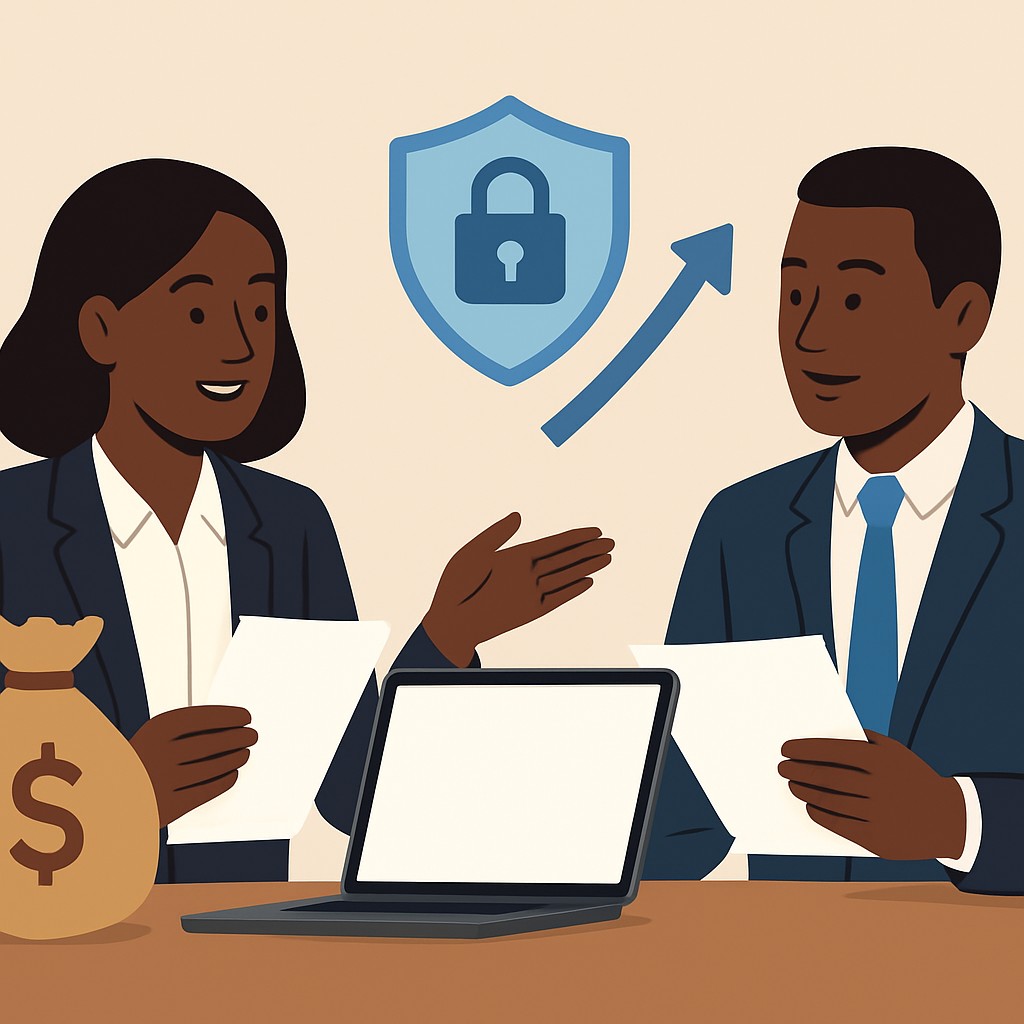
Secure Use of Mobile Financial Applications and Payment Platforms
Choosing Trusted Applications
Select mobile financial apps from reputable developers like PNC Bank or Truist.
Check app reviews and ratings in official app stores such as Google Play and Apple App Store.
Moreover, ensure the app receives regular updates to address security vulnerabilities.
Avoid downloading apps from third-party sources or links sent through messages or emails.
Enabling Strong Authentication
Activate two-factor authentication (2FA) whenever it is available.
Many platforms like Cash App or Square Cash offer additional layers of account verification.
Also, use biometric authentication such as fingerprint or facial recognition for faster, secure access.
Set a unique and complex password distinct from your other online accounts.
Protecting Personal and Financial Information
Never share your login credentials or verification codes with anyone.
Regularly review your account statements for unauthorized transactions.
Besides that, avoid saving passwords directly within mobile browsers or apps without encryption.
Be cautious about granting app permissions that are unrelated to their functions.
Using Secure Networks
Always use trusted Wi-Fi or your cellular data when accessing financial applications.
Avoid public or unsecured Wi-Fi networks, which are vulnerable to interception.
If necessary, use a virtual private network (VPN) to encrypt your internet connection.
This extra security layer helps keep your financial data safe from eavesdroppers.
Regular Updates and Device Security
Keep your mobile device’s operating system up to date with the latest security patches.
Enable automatic updates for your apps, especially financial and payment platforms.
Install reputable antivirus or anti-malware apps to detect potential threats.
Additionally, set up a screen lock using complex PINs or patterns to prevent unauthorized access.
Recognizing and Avoiding Scams
Be wary of unsolicited messages asking for financial information or login details.
Legitimate companies like Citibank or Worldpay never request sensitive data via email or SMS.
Verify suspicious communications by contacting the company directly through official channels.
Report phishing attempts or fraud promptly to your financial institution and app providers.
Importance of Regular Software Updates and Security Patches
Protecting Against Emerging Threats
Cybercriminals constantly develop new methods to exploit software vulnerabilities.
Regular updates patch these vulnerabilities before attackers can use them.
For example, CyberSafe Solutions observed a 30% drop in breaches after timely patching.
Consequently, staying updated reduces the risk of financial data theft.
Moreover, these updates often include improvements to existing security features.
Maintaining System Stability and Performance
Software updates do more than just fix security issues.
They also resolve bugs that affect system stability and performance.
Jessica Nguyen, CTO of FinTech startup SecureFund, emphasizes this dual benefit.
Therefore, updates ensure financial applications run smoothly and reliably.
Additionally, a well-maintained system minimizes downtime and user frustration.
Strategies for Effective Update Management
Scheduling updates during off-peak hours reduces disruption to financial operations.
Automating updates helps companies avoid human error and delayed patching.
Financial institutions like Meridian Bank use centralized management tools for updates.
This approach guarantees all devices receive patches promptly and consistently.
Furthermore, maintaining a clear update policy educates employees on best practices.
Addressing Common Misconceptions About Updates
Many users worry that updates can cause software incompatibility.
However, most vendors thoroughly test patches before release to prevent issues.
Sarah McCall, a cybersecurity analyst, notes that updates typically improve compatibility.
On the contrary, delaying updates increases vulnerability to ransomware and phishing attacks.
Hence, regular updates are essential for robust financial data protection.
Benefits Beyond Security
Updates often introduce enhanced features that improve user experience.
They can also optimize resource usage, saving time and costs.
Tech firm BlueWave Finance credits updates with boosting customer satisfaction.
Therefore, embracing updates supports both security and business growth.
Data Encryption for Financial Security
Basics of Data Encryption
Data encryption converts readable information into a coded format.
This process ensures only authorized parties can access the data.
Financial institutions use encryption to protect sensitive customer information.
Banks such as Meridian Bank encrypt online transaction data.
Consequently, encryption helps prevent data breaches and fraud.
Common Encryption Technologies
Secure Sockets Layer (SSL) and Transport Layer Security (TLS) are widely used.
These protocols create a secure channel between users and financial servers.
Advanced Encryption Standard (AES) encrypts data at rest and while in transit.
Additionally, asymmetric encryption uses public and private keys for secure communication.
Organizations such as CapitalTrust Bank rely on these technologies for online security.
Secure Communication Methods for Financial Transactions
Use of Virtual Private Networks (VPNs)
VPNs encrypt the entire internet connection, ensuring privacy and security.
Financial professionals frequently use VPNs to access sensitive systems remotely.
For example, the team at Sterling Advisors employs VPNs for secure client communication.
Moreover, VPNs help protect data on public or unsecured Wi-Fi networks.
Multi-Factor Authentication (MFA)
MFA adds an extra security layer by requiring multiple verification steps.
This practice reduces the risk of unauthorized transaction approvals.
Companies like Meridian Finance implement MFA for customer account access.
In addition, MFA often combines passwords with biometric or hardware tokens.
Secure Messaging Platforms
Encrypted messaging apps safeguard communication between clients and banks.
Platforms like Signal and Whisper offer end-to-end encryption.
Financial advisors, such as those at Evergreen Wealth, use these tools daily.
Consequently, these apps prevent interception of confidential information.
Role of Tokenization in Secure Transactions
Tokenization replaces sensitive card data with non-sensitive tokens.
This method minimizes exposure of actual financial details during transactions.
Payment processors like NexPay utilize tokenization to enhance security.
It also helps businesses comply with regulatory standards easily.
Steps to Take After Experiencing a Digital Security Breach
Identify and Contain the Breach
First, confirm the breach by reviewing system logs and alerts.
Immediately isolate affected devices to prevent further damage.
Also, disconnect compromised accounts from sensitive financial platforms.
Contact your IT team or a security specialist for expert support.
Inform Relevant Parties Promptly
Notify your financial institutions about suspicious activities immediately.
Moreover, report the breach to your bank’s fraud department or security team.
Inform key contacts, including your family or business partners, about potential risks.
Consider notifying regulatory bodies if required by law or policy.
Secure and Change Credentials
Change all passwords linked to your financial and email accounts right away.
Use strong, unique passwords with a combination of letters, numbers, and symbols.
Enable multi-factor authentication on all important accounts for added protection.
Review and update security questions and recovery options carefully.
Monitor Financial and Digital Activity
Regularly check transaction histories and statements for unusual charges.
Set up alerts for large or unusual financial activities on your accounts.
Monitor credit reports for unexpected changes or new accounts.
Use identity theft protection services if available and appropriate.
Document the Incident and Actions Taken
Keep detailed records of the breach, including dates and affected services.
Document all communications with financial institutions and security teams.
Maintain copies of any reports filed with authorities or regulatory agencies.
This information will assist in investigations and potential legal actions.
Strengthen Your Digital Security Moving Forward
Conduct a thorough security audit with professional guidance.
Update and patch all software, operating systems, and applications promptly.
Educate yourself and your team on recognizing phishing and scam attempts.
Consider investing in reputable cybersecurity tools and services.
Additional Resources
The role of leadership in sustainable digital transformation of the …


