




Preserving the Value of Established Expertise
Traditional expertise provides a strong foundation for adapting to modern digital work environments.
It reflects knowledge developed through experience, practice, and careful judgment.
Therefore, digital adaptation should strengthen this expertise rather than replace it.
Recognizing Transferable Knowledge
Experienced professionals can identify which established practices remain useful in changing environments.
They can also connect practical judgment with new digital ways of working.
This connection helps preserve valuable knowledge during workplace transitions.
Making Experience Visible
Professionals can explain their methods clearly when digital work requires shared understanding.
They can document important processes and communicate decisions through appropriate digital formats.
As a result, others can understand and apply established expertise more consistently.
Developing Modern Digital Capabilities
Digital work requires professionals to build skills that complement their existing knowledge.
These skills can support communication, organization, collaboration, and access to information.
However, professionals should develop these capabilities while maintaining their established standards of quality.
Learning With Purpose
Professionals can focus learning on digital tasks that directly support their responsibilities.
This approach connects new skills with familiar knowledge and practical needs.
Furthermore, purposeful learning can make adaptation more manageable and relevant.
Personalized Financial Consulting – Tailored for You
Get a custom financial plan made just for you in 1-3 days. Clear strategies, actionable steps, and unlimited revisions.
Get StartedPracticing Adaptability
Modern work environments may require professionals to adjust their routines and approaches.
They can respond by reviewing familiar processes and identifying suitable digital alternatives.
Gradually, this practice can build confidence without abandoning valuable experience.
Connecting Traditional and Digital Work
Successful adaptation combines established judgment with modern digital capabilities.
Professionals can preserve essential principles while changing how they organize and share their work.
This balance allows experience and digital skills to support each other.
Improving Collaboration
Digital environments can help professionals share knowledge across working relationships.
Clear communication allows experienced workers to contribute effectively within changing teams.
Meanwhile, shared digital practices can make collaboration more organized and accessible.
Maintaining Professional Standards
New digital methods should continue supporting accuracy, consistency, and responsible decision-making.
Professionals can evaluate unfamiliar approaches against the standards that guide their expertise.
Consequently, adaptation can remain practical, focused, and aligned with established expectations.
Supporting Ongoing Growth
Modern digital work requires continued learning alongside traditional professional development.
Professionals can review their skills regularly and identify areas for further improvement.
Unlock Your Path to Financial Freedom
Personalized savings and investment strategies tailored to your financial goals. Let's help you take control of your future with a plan designed just for you.
Get StartedThey can also remain open to changing practices while protecting essential knowledge.
Creating a Flexible Mindset
A flexible mindset helps professionals approach unfamiliar digital tasks with curiosity.
It also encourages them to refine existing methods when new requirements emerge.
By combining openness with experience, professionals can navigate workplace change more effectively.
Building Lasting Capability
Lasting capability develops when professionals connect learning, practice, and reflection.
They can strengthen digital skills through regular use and thoughtful evaluation.
At the same time, they can continue applying the judgment that traditional expertise provides.
Assessing Existing Knowledge
Begin by recording the knowledge, methods, and responsibilities you already understand.
Next, separate established expertise from skills that require digital adaptation.
Review your confidence when completing tasks in digital work environments.
Also, identify areas where you need additional guidance or practice.
This assessment establishes a clear starting point for your personal development.
Mapping Strengths and Transferable Skills
Identify strengths that can support your movement into modern digital work.
Then, consider how your problem-solving approaches apply to changing work requirements.
Take Control of Your Debt Today
Struggling with debt? Get personalized strategies to pay off your debts, negotiate with creditors, and rebuild your credit. Your path to financial freedom starts here.
Get HelpRecognize communication, organization, and decision-making abilities that remain useful.
Next, connect those abilities with digital tasks requiring similar thinking.
This process helps you build on proven capabilities instead of starting over.
Identifying Digital Skill Gaps
Compare your current abilities with the digital skills your intended work requires.
Look for differences in knowledge, confidence, practice, and task performance.
Afterward, group each gap according to its importance and relevance.
Separate essential gaps from areas that can wait until later.
Prioritizing gaps keeps your development efforts focused and manageable.
Creating a Personal Development Plan
Set clear development objectives for each priority skill gap.
Describe what you want to understand, perform, or improve.
Choose learning activities that match your knowledge and development needs.
Meanwhile, schedule regular practice so new skills become part of your routine.
Record your progress and adjust your plan when your needs change.
Maintaining Focus and Progress
Work on a limited number of priorities before adding new objectives.
Review your plan regularly to confirm that it still reflects your goals.
Use each review to identify progress, remaining challenges, and next actions.
Additionally, revise activities that no longer support your development priorities.
A focused plan connects existing capabilities with developing digital abilities.
Turning Practical Experience Into Digital Practice
Practical experience supports the development of digital competencies.
First, identify the actions behind established work habits.
Then, connect those actions with online communication, data handling, content creation, and collaboration.
Translating Communication Skills
Experienced professionals can adapt clear workplace communication for digital settings.
They can organize messages around purpose, audience, and required action.
Additionally, they can adjust tone and detail for different online conversations.
They can also review messages before sending them.
This practice supports clarity, accuracy, and respectful digital interaction.
Applying Knowledge to Data Handling
Practical knowledge can guide how people collect, organize, and review information.
First, they can identify which information matters for a specific task.
Next, they can arrange information in a clear and consistent format.
They can check entries carefully before using or sharing them.
Furthermore, they can describe information accurately when communicating with others.
Developing Content From Experience
Practical expertise can shape useful digital content.
Writers can turn established knowledge into clear explanations, instructions, or updates.
They can organize each piece around a focused message.
They can also choose language that matches the intended audience.
Before publishing, they should review content for clarity, completeness, and consistency.
Strengthening Digital Collaboration
Existing teamwork habits can support effective digital collaboration.
Professionals can contribute ideas clearly within shared online work.
They can respond to messages, acknowledge contributions, and maintain progress through digital communication.
They can also divide responsibilities according to the needs of the task.
Moreover, they can keep shared information organized for everyone involved.
Connecting Skills Across Tasks
These competencies work together rather than standing alone.
Clear communication helps people explain data and coordinate content development.
Organized data supports accurate content and informed digital discussions.
Likewise, collaboration allows people to combine practical knowledge with digital methods.
By connecting these skills, professionals can express their expertise through modern digital work.
Learn More: Why Continuous Learning Protects Your Financial Future
Applying Digital Tools to Established Skills
Digital tools organize recurring tasks around established professional skills.
First, identify activities that consume time without strengthening the core service.
Then, use digital systems to structure information, communication, and routine follow-up.
Streamlining Daily Work
These systems help professionals focus more attention on skilled work.
Additionally, consistent digital processes can reduce unnecessary repetition.
They also create clearer routines for managing regular responsibilities.
Expanding Professional Reach
Modern digital channels can help established skills reach broader audiences.
Professionals can present their knowledge through clear digital content.
They can also communicate their services across appropriate online spaces.
Consequently, more people can understand the value of their expertise.
However, effective communication should remain accurate, useful, and consistent.
Creating Flexible Service Options
Digital delivery can support new ways to package established professional skills.
For example, professionals can organize knowledge into remote guidance, resources, or structured services.
These formats can create additional ways for people to access specialized expertise.
Furthermore, flexible formats allow professionals to match delivery methods with client needs.
Each option should reflect the quality and standards of the original profession.
Strengthening Income Potential
Digital tools can support income growth by improving visibility and service access.
They can also help professionals present their value more clearly.
Clear presentation makes it easier for potential clients to evaluate relevant services.
Moreover, organized digital offerings can support more deliberate pricing decisions.
Income potential depends on connecting expertise with suitable demand.
Using Feedback to Improve Delivery
Digital communication creates opportunities to observe questions, responses, and recurring needs.
Professionals can use that information to refine explanations and service formats.
They should review feedback without abandoning their established professional principles.
Over time, this process can make digital delivery more relevant and efficient.
Maintaining Professional Trust
Digital expansion should preserve the responsibility associated with established professional skills.
Professionals must communicate capabilities honestly across every digital channel.
They should also protect the clarity, reliability, and consistency of their work.
Therefore, digital tools should strengthen professional standards rather than replace them.
Delve into the Subject: Identifying Skills That Complement Decades of Experience
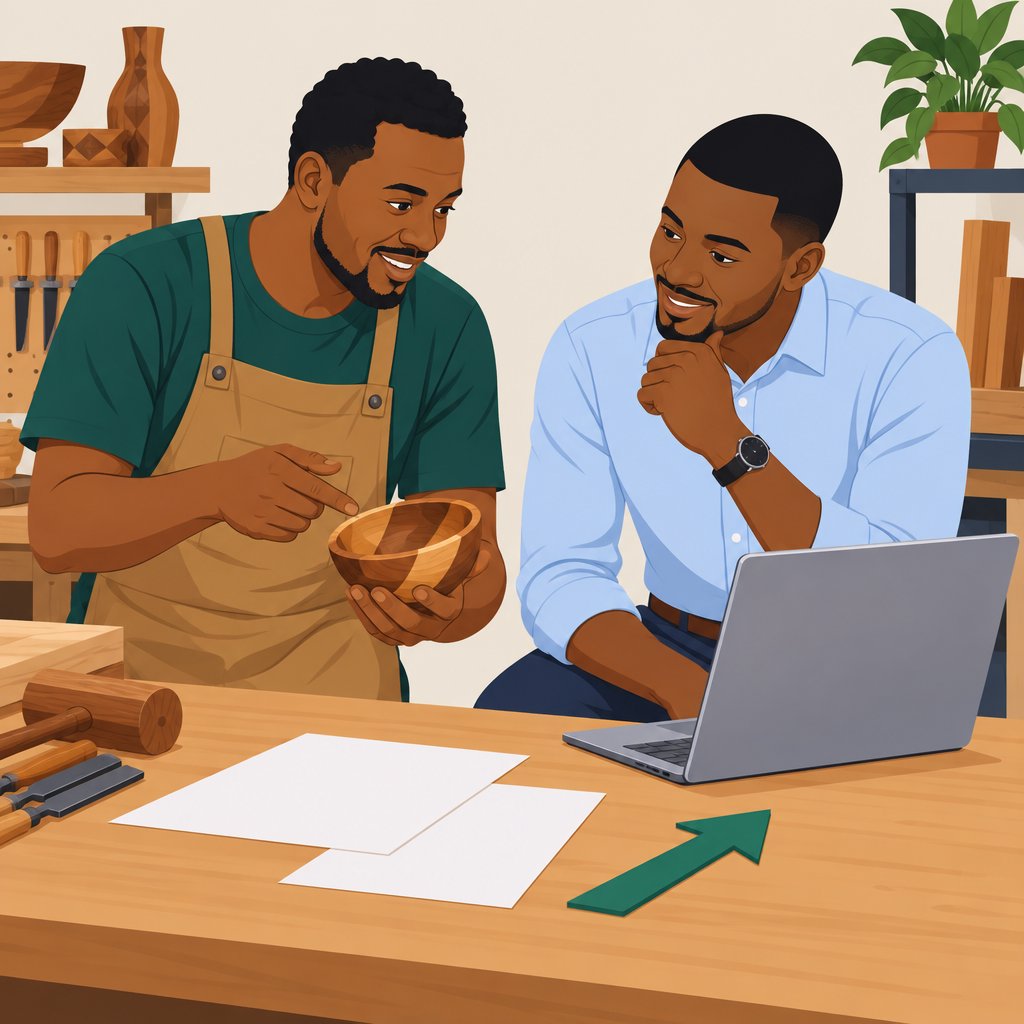
Building a Progressive Learning Pathway
A structured pathway connects foundational digital literacy with technology skills for specific roles.
Each stage supports practical learning.
It also keeps new skills connected to existing expertise.
Establishing Core Digital Foundations
Begin by strengthening the digital abilities that support everyday work.
These abilities help learners approach digital tasks with greater confidence.
They also create a reliable base for more specialized learning.
- Practice navigating digital environments with confidence.
- Develop consistent habits for managing digital information.
- Use clear methods for communicating through digital channels.
- Build awareness of responsible digital participation.
Connecting Learning With Role Requirements
Next, identify the technology skills that directly support each professional role.
Prioritize skills that strengthen existing responsibilities and daily tasks.
Then, organize those skills into a practical learning sequence.
- Start with skills that support immediate work activities.
- Follow with skills that improve task coordination.
- Continue with skills that support broader role development.
Learning Through Guided Practice
Apply each new skill through activities that reflect professional responsibilities.
Begin with simple tasks before introducing more demanding applications.
Afterward, repeat the tasks until the process becomes familiar.
Use practice to connect digital actions with established professional judgment.
Combining Skills Through Complete Workflows
Once individual skills develop, combine them into connected work processes.
For example, a learner can move from preparing information to sharing it digitally.
This approach shows how separate skills support one outcome.
Furthermore, connected workflows reveal where additional practice remains necessary.
Reviewing Progress and Adjusting the Pathway
Review learning progress after each stage.
Compare completed tasks with the role’s current technology requirements.
Then, adjust the learning sequence when priorities change.
Regular review keeps development focused and relevant.
Strengthening Confidence Through Repetition
Repeated use helps learners apply digital skills more naturally.
Encourage gradual practice across familiar and less familiar responsibilities.
Meanwhile, preserve effective traditional methods that continue supporting quality work.
This balance allows digital learning to extend expertise rather than replace it.
Demonstrating Integrated Capability
Finally, organize completed learning into a clear demonstration of capability.
Show how foundational digital literacy supports role-specific technology use.
Highlight the connection between professional knowledge, digital actions, and completed work.
Consequently, the pathway makes continued learning easier to plan and sustain.
Discover More: Designing a Personal Growth Plan for Long-Term Relevance
Building Partnerships Across Experience and Digital Strengths
Intergenerational and cross-disciplinary partnerships connect practical judgment with digital capability.
Each collaborator contributes knowledge that strengthens shared work.
Therefore, teams should value experience and digital fluency equally.
Creating Mutual Respect
Strong partnerships begin when collaborators recognize different forms of expertise.
Experienced professionals offer context, judgment, and practical understanding.
Digitally skilled collaborators contribute current knowledge about digital work practices.
Meanwhile, both groups can learn from each other through open discussion.
Respect grows when partners ask questions before suggesting changes.
Defining Shared Responsibilities
Clear responsibilities help each collaborator understand their contribution.
Partners should identify tasks that require practical expertise, digital skills, or both.
They should also agree on who leads each shared activity.
Consequently, defined roles can reduce confusion during collaborative work.
Partners can revisit responsibilities when project needs change.
Establishing Productive Communication
Effective partnerships require communication that suits every participant.
Partners should choose communication methods that support clarity and accessibility.
They can explain unfamiliar terms instead of assuming shared understanding.
Furthermore, regular conversations create space for questions, feedback, and adjustments.
Written summaries can preserve decisions and clarify next steps.
Encouraging Reciprocal Learning
Reciprocal learning allows every collaborator to teach and learn.
Experienced professionals can explain how practical decisions develop through experience.
Digital collaborators can demonstrate approaches for organizing and sharing digital work.
Both partners should connect new knowledge with current responsibilities.
As a result, learning becomes a shared activity rather than a one-sided transfer.
Combining Different Perspectives
Cross-disciplinary partnerships bring varied perspectives to the same challenge.
Partners should compare priorities before selecting an approach.
Practical insight can reveal important context behind a task.
Digital insight can suggest new ways to organize collaboration.
Together, these perspectives support more deliberate decisions.
Building Trust Through Shared Practice
Trust develops through consistent actions and transparent communication.
Partners should set realistic expectations for participation and support.
They should acknowledge uncertainty instead of hiding difficulties.
Additionally, collaborators can review progress without assigning blame.
Shared practice strengthens relationships as partners understand each other’s working styles.
Maintaining an Inclusive Partnership
Inclusive partnerships give every participant space to contribute.
Leaders should invite different viewpoints during discussions and reviews.
They should also address barriers that limit participation.
Flexible collaboration can help partners contribute according to their strengths.
Ultimately, inclusive cooperation creates room for experience and digital skill to work together.
Delve into the Subject: Building Confidence Through Strategic Skill Upgrades
Managing Digital Adoption Challenges
Digital adoption succeeds when people address practical concerns alongside technical development.
Thoughtful change management connects established expertise with evolving digital expectations.
Practical concerns include change, security, ethics, and continuous learning.
Addressing Resistance to Change
Resistance often reflects uncertainty, limited confidence, or concern about changing familiar work practices.
First, acknowledge these concerns without dismissing existing experience.
Then, explain how digital methods can support established responsibilities and professional judgment.
Use clear communication to describe expected changes, learning needs, and available support.
Additionally, invite questions before introducing new processes or expectations.
Practical involvement helps people understand changes through active participation.
Encourage individuals to share obstacles, suggestions, and concerns during adoption.
Finally, review progress regularly and adjust support when difficulties continue.
Strengthening Information Security
Digital work requires careful attention to information security at every stage.
Protect information through deliberate habits when creating, storing, sharing, and accessing digital content.
Before sharing information, consider who needs access and why access remains necessary.
Likewise, review digital content carefully before sending or publishing it.
Use secure practices consistently rather than treating security as a separate technical responsibility.
Teams should clarify responsibilities for protecting information within digital work.
Furthermore, people should report possible security concerns promptly through appropriate channels.
Regular reminders reinforce careful behavior and keep security visible during daily activities.
However, security practices should remain understandable, practical, and relevant to actual responsibilities.
Promoting Ethical Technology Use
Technology decisions should respect people, responsibilities, and the purpose of work.
Before using a digital method, consider its potential effects on others.
Ask whether the method supports fairness, clarity, privacy, and responsible decision-making.
Additionally, distinguish useful assistance from decisions requiring human judgment.
People should remain accountable for using digital systems and information.
Explain important decisions clearly when technology influences communication, evaluation, or work processes.
Avoid using technology solely because it appears new or convenient.
Instead, select methods that serve a clear purpose and respect professional values.
When uncertainty arises, pause and seek clarification before continuing.
Building a Continuous Learning Habit
Digital skills require ongoing attention because needs and expectations can change.
Therefore, treat learning as a continuing part of professional practice.
Set manageable learning goals that fit current responsibilities and available time.
Focus each goal on a specific capability, process, or area of confidence.
Apply new knowledge through relevant tasks to strengthen understanding and retention.
Afterward, reflect on what worked, what remained difficult, and what requires further practice.
Keep a simple record of learning progress and unresolved questions.
Use feedback to refine learning priorities and improve future efforts.
Moreover, share useful lessons with colleagues to strengthen collective learning.
Continuous learning becomes sustainable when people connect it with meaningful work.
Creating Responsible Adoption Practices
Responsible adoption combines openness to change with careful evaluation.
Start by identifying the purpose behind each proposed digital change.
Next, consider the knowledge, support, and safeguards required for responsible use.
Then, introduce the change clearly and encourage questions throughout the process.
Monitor practical experiences without treating early difficulties as permanent failures.
Use feedback to improve guidance, clarify expectations, and address emerging concerns.
Finally, preserve valuable professional judgment while expanding digital capability.
- Communicate changes clearly and invite questions.
- Protect information through consistent, careful practices.
- Evaluate technology according to ethical responsibilities.
- Support learning through regular practice and reflection.
- Review adoption progress and respond to practical concerns.
Measuring Meaningful Progress
Progress becomes clearer when professionals evaluate how digital skills strengthen established expertise.
Therefore, measure practical improvements alongside professional visibility, opportunities, and financial stability.
This approach supports practical evaluation.
Improved Productivity
Improved productivity shows how effectively professionals apply modern digital skills to familiar responsibilities.
First, observe whether daily work becomes more organized and manageable.
Next, consider whether digital methods help complete responsibilities with greater consistency.
Also, assess whether professionals can focus more attention on valuable tasks.
Regular reflection helps identify which changes genuinely improve productivity.
However, productivity should support quality rather than encourage activity without clear purpose.
Stronger Professional Visibility
Professional visibility reflects how clearly others recognize an individual’s expertise and capabilities.
Digital communication can help professionals present their knowledge with greater clarity.
Additionally, consistent professional activity can make established expertise easier to recognize.
Assess visibility by reviewing the clarity, consistency, and relevance of professional communication.
Furthermore, stronger visibility can support more meaningful professional conversations.
Professionals should ensure that visibility reflects genuine expertise rather than empty promotion.
Expanded Opportunities
Expanded opportunities indicate whether modern digital skills create broader professional possibilities.
First, review whether professionals can consider responsibilities beyond their previous scope.
Then, examine whether their combined expertise supports new forms of collaboration.
Digital capability may also help professionals communicate their value across different settings.
Track opportunities by noting changes in professional interest, responsibilities, and potential direction.
Nevertheless, professionals should evaluate opportunities according to relevance and long-term suitability.
Sustainable Financial Growth
Sustainable financial growth requires attention to current value and future resilience.
Professionals can assess whether improved capabilities strengthen the value of their work.
They can also consider whether expanded opportunities support more dependable financial progress.
However, financial growth should not depend on short-term gains alone.
Instead, review whether digital development supports continued professional value over time.
Balanced evaluation connects productivity, visibility, and opportunity with financial sustainability.
Creating a Balanced Review
A balanced review considers all progress areas rather than relying on one result.
For example, greater productivity may matter less if professional visibility remains limited.
Likewise, expanded opportunities may require careful evaluation before supporting financial growth.
Therefore, compare improvements across work performance, professional presence, opportunity, and finances.
Regular reviews help professionals recognize progress and identify areas requiring further attention.
Meaningful progress combines stronger performance with broader professional and financial potential.
Additional Resources
Bing search results for Bridging Traditional Expertise With Modern Digital Skills Skill Development


